-
Shop
- Advanced Technologies
- AI Skills Mastery 2026 Collection
- Beauty
- Best-Sellers
- Calvin Klein
- Car Accessories
- Car Buying & Ownership
- Dating & Social Confidence
- Dating & Social Skills
- Denim
- 7FOR
- AGOLDE
- Antony Morato
- Armani Exchange
- Boss
- Brunello Cucinelli
- Calvin Klein Jeans
- Costume National
- Desigual
- Diesel
- Dolce & Gabbana
- Dsquared²
- Ermanno Scervino
- Fendi
- Gianni Lupo
- Guess Jeans
- Ichi
- Just Cavalli
- Lee
- Levi's
- Liu Jo
- Morgan De Toi
- Mother Denim
- Only
- Pepe Jeans
- Pinko
- Replay
- Tommy Hilfiger Jeans
- Valentino
- Vero Moda
- Digital Resources
- Education & Learning
- Family & Parenting
- Fashion
- Alexander McQueen
- Bags & Wallets
- Balenciaga
- Belts
- Bottega Veneta
- Brunello Cucinelli
- Burberry
- Chanel
- Chloé
- Dior
- Dolce & Gabbana
- Etro
- Fendi
- Gucci
- Hats & Hair Accessories
- Jacquemus
- Jewelry
- Jil Sander
- Jimmy Choo
- Keychains
- Kiton
- Miu Miu
- Off-White
- Prada
- Rick Owens
- Saint Laurent
- Shoes
- Socks & Tights
- Sunglasses
- The Row
- Tom Ford
- Valentino
- Valentino Garavani
- Versace
- Vivienne Westwood
- Watches
- Fashion & Style
- Fashion Accessories
- Financial Education
- Find Your Path Collection
- Fitness
- Furniture
- Gadgets
- Health & Beauty
- Health & Wellness
- Home & Garden
- Home & Kitchen
- Home Styling & Organization
- Home Supplies
- Kids & Babies
- Kitchen
- Lighting
- Nike
- Online Business
- Online Business for Beginners
- Parenting
- Patio, Lawn & Garden
- Personal Growth
- Pet Care
- Pet Supplies
- Pets
- Smart Life with IA
- Sport & Outdoors
- Super Deals
- Travel
- Wealth
- Wealth Building
- Wellness
- YouTube Shorts Best-Sellers
- Popular
- Best deals
Stick Vacuum Downsides: Runtime, Bin Size & Batteries
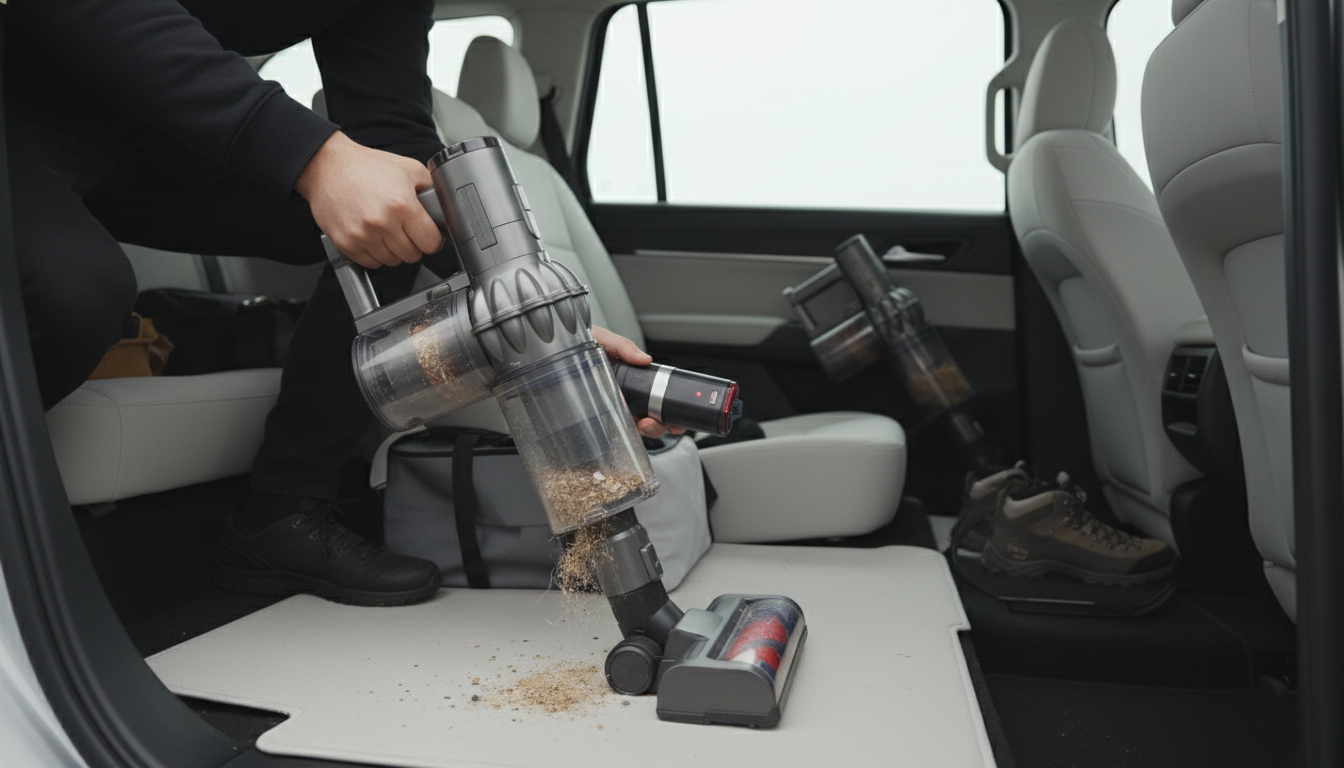
What are the drawbacks of stick vacuums?
Stick vacuums are popular for quick cleanups and tight storage, but they come with trade-offs compared to full-size uprights or canister models. The main drawbacks typically show up in runtime, bin size, deep-clean performance, and long-term battery considerations.
Shorter runtime (especially on max power)
Cordless stick vacuums rely on batteries, so cleaning time is limited. Using higher suction modes to handle thicker carpet or heavier debris can drain the battery fast, which may require mid-clean recharging or a second battery for larger homes.
Smaller dustbin means more frequent emptying
Stick vacuums usually have compact bins to keep the unit lightweight. That’s convenient for handling, but it also means the bin fills quickly—especially with pet hair, fine dust, or after vacuuming multiple rooms—so you’ll empty it more often than with a traditional vacuum.
Not always ideal for deep carpet cleaning
Many stick vacuums perform best on hard floors and low-pile rugs. On plush or high-pile carpet, some models struggle with embedded grit or require slower passes and higher suction, which can reduce runtime and increase maintenance on the brush roll.
Battery aging and replacement cost
Rechargeable batteries gradually lose capacity over time. After months or years of use, a stick vacuum that once handled a full-home clean may need more frequent charging, and replacement batteries can add to the total cost of ownership.
More maintenance in day-to-day use
Because they’re compact, airflow paths and filters can clog sooner. Regular filter washing/replacement and occasional checks for blockages help keep suction consistent. Brush rolls can also tangle with hair, requiring periodic cleaning.
If you’re trying to get the most out of a cordless model, see practical tips for extending cleaning time and keeping performance steady in this guide: https://luxian.shop/blog/guide-45kpa-cordless-6-in-1-stick-vacuum-runtime-tips/.
FAQ
How can I make a cordless stick vacuum battery last longer?
Use the lowest power mode that still picks up debris, save max suction for problem areas, and keep filters and brush rolls clean to reduce strain on the motor. Charging and storing the battery as recommended by the manufacturer also helps preserve capacity.
Recommended for you
Wide Tooth Comb for Fine Hair: Pros, Best Uses
May 9, 2026













Leave a comment