-
Shop
- Advanced Technologies
- AI Skills Mastery 2026 Collection
- Beauty
- Best-Sellers
- Calvin Klein
- Car Accessories
- Car Buying & Ownership
- Dating & Social Confidence
- Dating & Social Skills
- Denim
- 7FOR
- AGOLDE
- Antony Morato
- Armani Exchange
- Boss
- Brunello Cucinelli
- Calvin Klein Jeans
- Costume National
- Desigual
- Diesel
- Dolce & Gabbana
- Dsquared²
- Ermanno Scervino
- Fendi
- Gianni Lupo
- Guess Jeans
- Ichi
- Just Cavalli
- Lee
- Levi's
- Liu Jo
- Morgan De Toi
- Mother Denim
- Only
- Pepe Jeans
- Pinko
- Replay
- Tommy Hilfiger Jeans
- Valentino
- Vero Moda
- Digital Resources
- Education & Learning
- Family & Parenting
- Fashion
- Alexander McQueen
- Bags & Wallets
- Balenciaga
- Belts
- Bottega Veneta
- Brunello Cucinelli
- Burberry
- Chanel
- Chloé
- Dior
- Dolce & Gabbana
- Etro
- Fendi
- Gucci
- Hats & Hair Accessories
- Jacquemus
- Jewelry
- Jil Sander
- Jimmy Choo
- Keychains
- Kiton
- Miu Miu
- Off-White
- Prada
- Rick Owens
- Saint Laurent
- Shoes
- Socks & Tights
- Sunglasses
- The Row
- Tom Ford
- Valentino
- Valentino Garavani
- Versace
- Vivienne Westwood
- Watches
- Fashion & Style
- Fashion Accessories
- Financial Education
- Find Your Path Collection
- Fitness
- Furniture
- Gadgets
- Health & Beauty
- Health & Wellness
- Home & Garden
- Home & Kitchen
- Home Styling & Organization
- Home Supplies
- Kids & Babies
- Kitchen
- Lighting
- Nike
- Online Business
- Online Business for Beginners
- Parenting
- Patio, Lawn & Garden
- Personal Growth
- Pet Care
- Pet Supplies
- Pets
- Smart Life with IA
- Sport & Outdoors
- Super Deals
- Travel
- Wealth
- Wealth Building
- Wellness
- YouTube Shorts Best-Sellers
- Popular
- Best deals
Universal Lens Kit for Smartphones: Wide, Macro, Fisheye
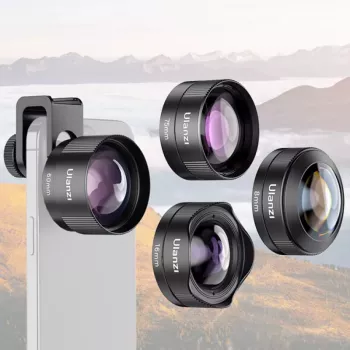
Universal Smartphone Camera Lens Kit: Expand Your Phone Photography in Seconds
A universal smartphone camera lens kit adds creative options—wider scenes, closer details, and more dramatic perspectives—without replacing a phone. With a clip-on design and multiple lens effects, it’s a practical upgrade for travel, food, product shots, and everyday social content while keeping the setup lightweight and fast to use.
What a Universal Lens Kit Does (and What It Doesn’t)
Clip-on lenses change what your phone can “see” by adding optical effects in front of the camera. That means you can get a wider field of view, focus much closer for macro, or create stylized distortion—looks that digital zoom and many filter apps can’t fully replicate.
- Adds optical effects (wider view, macro close-ups, stylized distortion) that digital zoom and filters can’t fully replicate.
- Works best in good light; small phone sensors still need adequate lighting for clean detail.
- Improves creative flexibility more than raw image quality—final results depend on the phone’s camera, stabilization, and focus system.
- Ideal for creators who want quick variety without carrying a dedicated camera.
It’s also worth remembering that modern phones already do a lot of computational processing. If you’re curious how manufacturers optimize cameras with sensor tech and software features, you can explore resources like Samsung ISOCELL image sensor information and Android’s CameraX overview for background.
Lens Types and When to Use Each
Most universal kits bundle a few core looks. Each lens type shines in specific situations—choosing the right one matters more than stacking effects.
- Wide-angle: Captures more of a scene for landscapes, interiors, group photos, and vlogging at arm’s length.
- Macro: Focuses extremely close for textures, jewelry, plants, electronics details, and small product photography.
- Fisheye: Creates a curved, ultra-wide look for action shots, skate/sports clips, and playful portraits.
- Practical tip: Clean the phone camera glass and lens surfaces before every session to avoid haze and flare.
| Lens effect | Best for | Quick tips |
|---|---|---|
| Wide-angle | Travel scenes, rooms, group photos | Keep the phone level to reduce edge distortion; step back slightly for more natural faces |
| Macro | Textures, close-up product details, nature | Use strong light; move the phone slowly until the subject snaps into focus |
| Fisheye | Dynamic action, creative portraits, stylized video | Center the subject; embrace curved lines at the edges for effect |
Compatibility: Making “Universal” Work with Your Phone
“Universal” primarily refers to the clip-on mounting style, not guaranteed perfection on every phone-and-case combination. The most important factor is alignment: the lens must sit centered over the camera you’re actually using.
- Clip alignment matters most: center the add-on lens over the active camera (main vs ultra-wide vs telephoto).
- Case clearance: thick cases and raised camera bumps can prevent flush mounting; removing the case often improves results.
- Multi-camera phones: pick which camera to pair with each effect (macro often performs best on the main camera).
- Video use: confirm the clip stays stable during movement; a tighter clip reduces jitter and corner vignetting.
If you switch lenses often, take a second to re-check the corners of the frame. Dark corners (vignetting) typically mean the clip is slightly off-center or you’re using a camera with a smaller aperture opening behind the lens.
How to Get Sharper Photos with Clip-On Lenses
Small improvements in technique make a big difference with clip-on optics—especially for macro. The goal is to control light, focus, and motion so the lens can do its job.
What to Look for in a Lens Kit Before Buying
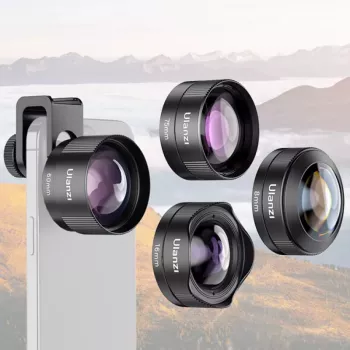
Universal Smartphone Camera Lens Kit (Product Overview)
The Universal Smartphone Camera Lens Kit is designed as a quick clip-on upgrade to add multiple shooting styles without changing phones. It’s useful for fast setup on trips, at events, or whenever you want more variety from the camera already in your pocket.
| Item | Details |
|---|---|
| Product | Universal Smartphone Camera Lens Kit |
| Price | 352.01 USD |
| Availability | In stock |
| Product page | https://luxian.shop/universal-smartphone-camera-lens-kit/ |
Build a simple “shooting kit” around it
If you’re planning to use macro for detail shots, having a small, stable subject helps. For example, jewelry photography benefits from macro texture and controlled reflections—pairing a macro lens with a clean background can make stones and metal edges pop. A product like the 18K Rose Gold Moissanite Ring 0.3ct Square Diamond is a perfect type of subject for testing crisp close-ups.
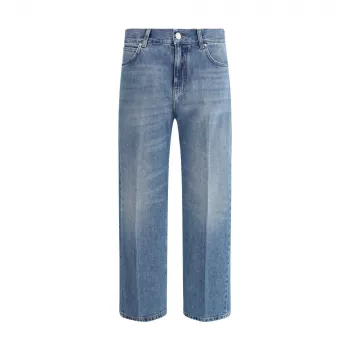
For fashion and outfit content, a wide-angle lens can help capture full-body frames in tighter spaces (like bedrooms or hallways). If you’re styling and shooting apparel, the Pinko Lovely Cotton Wide-Leg Jeans is the kind of item that benefits from a wider view while keeping lines as straight as possible by holding the phone level.
FAQ
Which company camera lens is used in Samsung?
Samsung uses a mix of suppliers depending on the model, region, and generation, including Samsung’s own component divisions and third-party camera module partners. In practice, clip-on lens compatibility is determined more by your phone’s camera layout (lens position and bump depth) than by the lens supplier.
What is included in the Xenvo lens kit?
Many popular smartphone lens kits include a wide-angle/macro combo lens, a universal clip, a carrying pouch, and a cleaning cloth. Exact contents vary by model and bundle, so it’s best to confirm what’s included on the manufacturer’s current listing.













Leave a comment