-
Shop
- Advanced Technologies
- AI Skills Mastery 2026 Collection
- Beauty
- Best-Sellers
- Calvin Klein
- Car Accessories
- Car Buying & Ownership
- Dating & Social Confidence
- Dating & Social Skills
- Denim
- 7FOR
- AGOLDE
- Antony Morato
- Armani Exchange
- Boss
- Brunello Cucinelli
- Calvin Klein Jeans
- Costume National
- Desigual
- Diesel
- Dolce & Gabbana
- Dsquared²
- Ermanno Scervino
- Fendi
- Gianni Lupo
- Guess Jeans
- Ichi
- Just Cavalli
- Lee
- Levi's
- Liu Jo
- Morgan De Toi
- Mother Denim
- Only
- Pepe Jeans
- Pinko
- Replay
- Tommy Hilfiger Jeans
- Valentino
- Vero Moda
- Digital Resources
- Education & Learning
- Family & Parenting
- Fashion
- Alexander McQueen
- Bags & Wallets
- Balenciaga
- Belts
- Bottega Veneta
- Brunello Cucinelli
- Burberry
- Chanel
- Chloé
- Dior
- Dolce & Gabbana
- Etro
- Fendi
- Gucci
- Hats & Hair Accessories
- Jacquemus
- Jewelry
- Jil Sander
- Jimmy Choo
- Keychains
- Kiton
- Miu Miu
- Off-White
- Prada
- Rick Owens
- Saint Laurent
- Shoes
- Socks & Tights
- Sunglasses
- The Row
- Tom Ford
- Valentino
- Valentino Garavani
- Versace
- Vivienne Westwood
- Watches
- Fashion & Style
- Fashion Accessories
- Financial Education
- Find Your Path Collection
- Fitness
- Furniture
- Gadgets
- Health & Beauty
- Health & Wellness
- Home & Garden
- Home & Kitchen
- Home Styling & Organization
- Home Supplies
- Kids & Babies
- Kitchen
- Lighting
- Nike
- Online Business
- Online Business for Beginners
- Parenting
- Patio, Lawn & Garden
- Personal Growth
- Pet Care
- Pet Supplies
- Pets
- Smart Life with IA
- Sport & Outdoors
- Super Deals
- Travel
- Wealth
- Wealth Building
- Wellness
- YouTube Shorts Best-Sellers
- Popular
- Best deals
Japanese Retro Rattan & Glass Fruit Plate (Handmade)
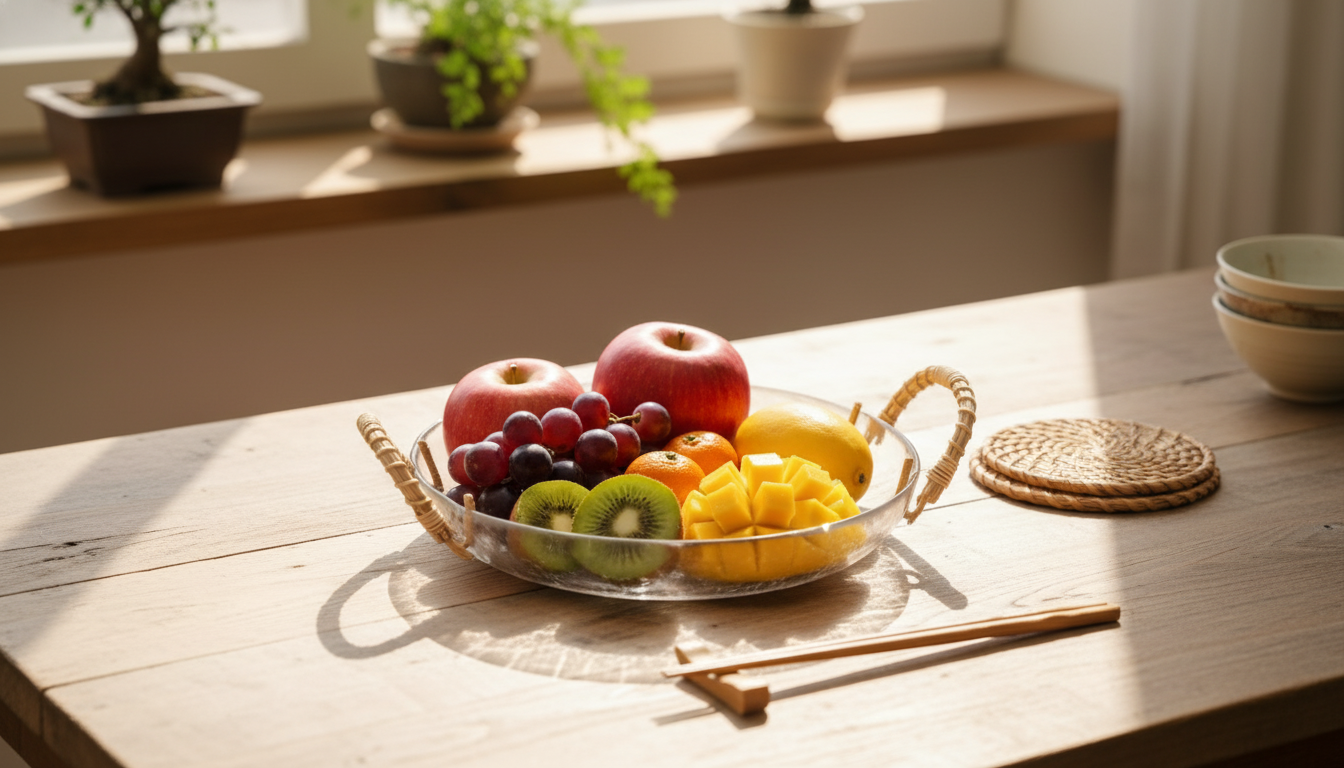
Handmade Rattan & Glass Fruit Plate for Japanese Retro Serving
A handmade rattan-and-glass plate brings a warm, nostalgic look to the table while keeping snacks, fruit, and salads easy to serve and easy to see. The woven rattan adds texture and grip, while the glass dish keeps foods looking fresh and clean—ideal for casual entertaining, tea-time spreads, and everyday countertop styling. For more guidance, see Toxics Release Inventory Public Data Release: Ten Years of Right ….
What Makes This Plate Stand Out
The charm of this serving piece comes from contrast: a natural-looking rattan weave framing a clear glass insert. The result feels both cozy and crisp—perfect for homes that lean minimalist but still want a touch of craft and warmth. For further reading, see The grocer’s encyclopedia – Digital Repository.
- Handmade pairing of woven rattan with a clear glass dish for a balanced mix of warmth and clarity.
- Japanese retro vibe that fits tea service, café-style plating, and calm, uncluttered table settings.
- Glass surface helps showcase colorful fruit, pastries, and salads without visual clutter.
- Rattan outer ring adds a cozy, artisanal feel that works as both serveware and décor.
- A practical serving piece that still looks intentional when left out on a counter or dining table.
For anyone building a small collection of versatile serveware, the Handmade Rattan & Glass Fruit Plate – Japanese Retro Snack & Salad Dish is a simple way to add texture and a café-like presentation without relying on bulky bowls or oversized platters.
Best Ways to Use It: Fruit, Snacks, and Light Meals
This plate shines when foods are meant to look “set” rather than piled. Because the glass insert is clear and smooth, bright colors (berries, citrus, leafy greens) look especially appetizing against the rattan frame.
- Fruit plate: citrus slices, grapes, strawberries, and cut melon for a bright centerpiece.
- Snack dish: cookies, mochi, chocolates, crackers, nuts, and dried fruit for sharing.
- Salad dish: small salads, cold noodles, or side portions for a café-style presentation.
- Breakfast and brunch: croissants, toast with toppings, or yogurt-and-fruit spreads (served separately) for a clean look.
- Entertaining: set several plates across a table for a coordinated grazing layout without bulky serving bowls.
| Use | Foods that suit it | Styling tip |
|---|---|---|
| Fruit plate | Berries, grapes, citrus, sliced kiwi | Mix colors; place larger slices around the edge |
| Snack plate | Cookies, crackers, nuts, candies | Group items in small clusters for an organized look |
| Salad dish | Side salads, chilled sides, small portions | Add a garnish (herbs, citrus zest) for contrast |
| Tea-time | Pastries, wagashi-style sweets, small bites | Pair with simple ceramics and linen napkins |
Materials and Craft Details to Notice
Rattan has a long history as a durable, flexible natural material used in home goods and furniture. If you’re curious about where it comes from and why it’s so widely used, Encyclopaedia Britannica’s overview of rattan is a helpful reference.
- Glass insert: Provides a smooth, food-friendly surface that’s easy to wipe clean and helps resist lingering odors compared with porous materials.
- Rattan weave: Adds hand-crafted texture and visually “frames” the food, making a simple snack spread look curated.
- Visual balance: Clear glass lightens the look, while the rattan edge adds warmth and depth—especially nice in neutral kitchens.
- Comfort in handling: The woven outer rim can feel steadier to hold than an all-glass plate when moving from kitchen to table.
- Seasonal flexibility: Works with spring berries, summer salads, autumn snacks, and winter citrus without looking out of place.
Because food contact typically happens on the glass insert, it’s also useful to understand broader guidance around materials intended to touch food; the U.S. Food & Drug Administration’s resource on food contact substances offers background on how food-contact materials are regulated and evaluated.
Care and Cleaning for Everyday Use
With a two-material design, the key is treating each component the way it prefers: glass can handle a normal wash, while rattan does best with minimal moisture and thorough drying.
Styling Ideas for a Japanese Retro Table
To amplify that cozy, slow-living feel during tea time, a gentle scent and soft light can round out the mood. Pair the table with the Mini USB Aroma Humidifier & Essential Oil Diffuser with Soft LED Light nearby (on a side table, not next to food) to keep the setting relaxed and intentional.
When It’s the Right Fit (and When to Choose Another Dish)
Product Details and Where to Get It
| Item | Details |
|---|---|
| Product | Handmade Rattan & Glass Fruit Plate – Japanese Retro Snack & Salad Dish |
| Price | $51.51 USD |
| Availability | In stock |
| Best for | Fruit, snacks, small salads, tea-time serving |
FAQ
Is the rattan-and-glass plate suitable for serving food directly?
Yes—food should sit on the glass insert, which acts as the food-contact surface. For wetter or oilier items, keep them on the glass area and clean promptly, and follow the product’s care instructions for best results.
How should the rattan part be cleaned without damaging it?
Wipe the rattan gently with a slightly damp cloth (and a small amount of mild soap if needed), then dry thoroughly. Avoid soaking, and store it in a dry place to help preserve the weave and shape.
Can it be used for salads and saucy snacks?
It works well for small salads and light dishes, especially when sauces stay on the glass insert. To protect the rattan, wipe up spills quickly and avoid letting moisture linger around the woven rim.
Recommended for you


Versace Logo Symbol Explained: The Medusa Head
May 6, 2026













Leave a comment