-
Shop
- Advanced Technologies
- AI Skills Mastery 2026 Collection
- Beauty
- Best-Sellers
- Calvin Klein
- Car Accessories
- Car Buying & Ownership
- Dating & Social Confidence
- Dating & Social Skills
- Denim
- 7FOR
- AGOLDE
- Antony Morato
- Armani Exchange
- Boss
- Brunello Cucinelli
- Calvin Klein Jeans
- Costume National
- Desigual
- Diesel
- Dolce & Gabbana
- Dsquared²
- Ermanno Scervino
- Fendi
- Gianni Lupo
- Guess Jeans
- Ichi
- Just Cavalli
- Lee
- Levi's
- Liu Jo
- Morgan De Toi
- Mother Denim
- Only
- Pepe Jeans
- Pinko
- Replay
- Tommy Hilfiger Jeans
- Valentino
- Vero Moda
- Digital Resources
- Education & Learning
- Family & Parenting
- Fashion
- Alexander McQueen
- Bags & Wallets
- Balenciaga
- Belts
- Bottega Veneta
- Brunello Cucinelli
- Burberry
- Chanel
- Chloé
- Dior
- Dolce & Gabbana
- Etro
- Fendi
- Gucci
- Hats & Hair Accessories
- Jacquemus
- Jewelry
- Jil Sander
- Jimmy Choo
- Keychains
- Kiton
- Miu Miu
- Off-White
- Prada
- Rick Owens
- Saint Laurent
- Shoes
- Socks & Tights
- Sunglasses
- The Row
- Tom Ford
- Valentino
- Valentino Garavani
- Versace
- Vivienne Westwood
- Watches
- Fashion & Style
- Fashion Accessories
- Financial Education
- Find Your Path Collection
- Fitness
- Furniture
- Gadgets
- Health & Beauty
- Health & Wellness
- Home & Garden
- Home & Kitchen
- Home Styling & Organization
- Home Supplies
- Kids & Babies
- Kitchen
- Lighting
- Nike
- Online Business
- Online Business for Beginners
- Parenting
- Patio, Lawn & Garden
- Personal Growth
- Pet Care
- Pet Supplies
- Pets
- Smart Life with IA
- Sport & Outdoors
- Super Deals
- Travel
- Wealth
- Wealth Building
- Wellness
- YouTube Shorts Best-Sellers
- Popular
- Best deals
Aroma Diffuser and Lung Health: Safety Tips

Is aroma diffuser good for lungs?
An aroma diffuser can be fine for many people’s lungs when it’s used correctly, but it isn’t automatically “good” for lung health. The air you breathe matters as much as the scent: too much fragrance, poor ventilation, or heavy essential-oil use can irritate airways, especially for people with asthma, COPD, allergies, or fragrance sensitivity.
If the diffuser is a cool-mist, water-based model used lightly, some users find it more comfortable than dry air—particularly in heated or air-conditioned rooms. That said, any benefits usually come from adding moisture to the air (humidity support), not from inhaling essential oils. For the safest approach, treat fragrance as optional and keep the output gentle.
When a diffuser may feel helpful
In a dry environment, a small humidifying diffuser can make breathing feel easier by reducing dryness in the nose and throat. A soft, intermittent mist and a well-cleaned water tank can support a more comfortable indoor atmosphere. If fragrance is used, lower concentrations are less likely to trigger throat or chest irritation.
When a diffuser may bother your lungs
Strong scents can irritate airways or trigger coughing, wheezing, or headaches in sensitive individuals. Over-diffusing essential oils, running a unit in a closed room for hours, or using poor-quality oils increases the chance of irritation. Another concern is hygiene: a dirty water reservoir can disperse contaminants, which is the opposite of lung-friendly.
Safer diffuser habits for better breathing comfort
- Ventilate the room and avoid running the diffuser continuously.
- Use fewer drops of essential oil than recommended; stop if irritation starts.
- Clean and dry the tank regularly to prevent buildup and odors.
- Use clean water and replace it daily if the unit sits out.
- If you have asthma, COPD, or chronic respiratory issues, consider using the device as a humidifier only (no oils) or consult a clinician.
For practical tips on using a compact diffuser/humidifier (including operation and care), see the full guide here: mini USB aroma humidifier & oil diffuser guide.
FAQ
Are scent diffusers safe for lungs?
They can be for many people when used in moderation with good ventilation and regular cleaning, but they may irritate lungs in those with asthma, allergies, or fragrance sensitivity. If symptoms appear, stop use and avoid essential oils.
Recommended for you
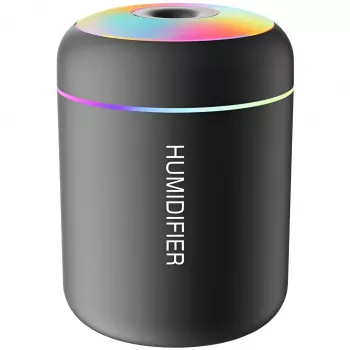


Is aroma diffuser good for lungs?
An aroma diffuser can be fine for many people’s lungs when it’s used correctly, but it isn’t automatically “good” for lung health. The air you breathe matters as much as the scent: too much fragrance, poor ventilation, or heavy essential-oil use can irritate airways, especially for people with asthma, COPD, allergies, or fragrance sensitivity.
If the diffuser is a cool-mist, water-based model used lightly, some users find it more comfortable than dry air—particularly in heated or air-conditioned rooms. That said, any benefits usually come from adding moisture to the air (humidity support), not from inhaling essential oils. For the safest approach, treat fragrance as optional and keep the output gentle.
When a diffuser may feel helpful
In a dry environment, a small humidifying diffuser can make breathing feel easier by reducing dryness in the nose and throat. A soft, intermittent mist and a well-cleaned water tank can support a more comfortable indoor atmosphere. If fragrance is used, lower concentrations are less likely to trigger throat or chest irritation.
When a diffuser may bother your lungs
Strong scents can irritate airways or trigger coughing, wheezing, or headaches in sensitive individuals. Over-diffusing essential oils, running a unit in a closed room for hours, or using poor-quality oils increases the chance of irritation. Another concern is hygiene: a dirty water reservoir can disperse contaminants, which is the opposite of lung-friendly.
Safer diffuser habits for better breathing comfort
- Ventilate the room and avoid running the diffuser continuously.
- Use fewer drops of essential oil than recommended; stop if irritation starts.
- Clean and dry the tank regularly to prevent buildup and odors.
- Use clean water and replace it daily if the unit sits out.
- If you have asthma, COPD, or chronic respiratory issues, consider using the device as a humidifier only (no oils) or consult a clinician.
For practical tips on using a compact diffuser/humidifier (including operation and care), see the full guide here: mini USB aroma humidifier & oil diffuser guide.
FAQ
Are scent diffusers safe for lungs?
They can be for many people when used in moderation with good ventilation and regular cleaning, but they may irritate lungs in those with asthma, allergies, or fragrance sensitivity. If symptoms appear, stop use and avoid essential oils.
Recommended for you
Is aroma diffuser good for lungs?
An aroma diffuser can be fine for many people’s lungs when it’s used correctly, but it isn’t automatically “good” for lung health. The air you breathe matters as much as the scent: too much fragrance, poor ventilation, or heavy essential-oil use can irritate airways, especially for people with asthma, COPD, allergies, or fragrance sensitivity.
If the diffuser is a cool-mist, water-based model used lightly, some users find it more comfortable than dry air—particularly in heated or air-conditioned rooms. That said, any benefits usually come from adding moisture to the air (humidity support), not from inhaling essential oils. For the safest approach, treat fragrance as optional and keep the output gentle.
When a diffuser may feel helpful
In a dry environment, a small humidifying diffuser can make breathing feel easier by reducing dryness in the nose and throat. A soft, intermittent mist and a well-cleaned water tank can support a more comfortable indoor atmosphere. If fragrance is used, lower concentrations are less likely to trigger throat or chest irritation.
When a diffuser may bother your lungs
Strong scents can irritate airways or trigger coughing, wheezing, or headaches in sensitive individuals. Over-diffusing essential oils, running a unit in a closed room for hours, or using poor-quality oils increases the chance of irritation. Another concern is hygiene: a dirty water reservoir can disperse contaminants, which is the opposite of lung-friendly.
Safer diffuser habits for better breathing comfort
- Ventilate the room and avoid running the diffuser continuously.
- Use fewer drops of essential oil than recommended; stop if irritation starts.
- Clean and dry the tank regularly to prevent buildup and odors.
- Use clean water and replace it daily if the unit sits out.
- If you have asthma, COPD, or chronic respiratory issues, consider using the device as a humidifier only (no oils) or consult a clinician.
For practical tips on using a compact diffuser/humidifier (including operation and care), see the full guide here: mini USB aroma humidifier & oil diffuser guide.
FAQ
Are scent diffusers safe for lungs?
They can be for many people when used in moderation with good ventilation and regular cleaning, but they may irritate lungs in those with asthma, allergies, or fragrance sensitivity. If symptoms appear, stop use and avoid essential oils.
Recommended for you
Is aroma diffuser good for lungs?
An aroma diffuser can be fine for many people’s lungs when it’s used correctly, but it isn’t automatically “good” for lung health. The air you breathe matters as much as the scent: too much fragrance, poor ventilation, or heavy essential-oil use can irritate airways, especially for people with asthma, COPD, allergies, or fragrance sensitivity.
If the diffuser is a cool-mist, water-based model used lightly, some users find it more comfortable than dry air—particularly in heated or air-conditioned rooms. That said, any benefits usually come from adding moisture to the air (humidity support), not from inhaling essential oils. For the safest approach, treat fragrance as optional and keep the output gentle.
When a diffuser may feel helpful
In a dry environment, a small humidifying diffuser can make breathing feel easier by reducing dryness in the nose and throat. A soft, intermittent mist and a well-cleaned water tank can support a more comfortable indoor atmosphere. If fragrance is used, lower concentrations are less likely to trigger throat or chest irritation.
When a diffuser may bother your lungs
Strong scents can irritate airways or trigger coughing, wheezing, or headaches in sensitive individuals. Over-diffusing essential oils, running a unit in a closed room for hours, or using poor-quality oils increases the chance of irritation. Another concern is hygiene: a dirty water reservoir can disperse contaminants, which is the opposite of lung-friendly.
Safer diffuser habits for better breathing comfort
- Ventilate the room and avoid running the diffuser continuously.
- Use fewer drops of essential oil than recommended; stop if irritation starts.
- Clean and dry the tank regularly to prevent buildup and odors.
- Use clean water and replace it daily if the unit sits out.
- If you have asthma, COPD, or chronic respiratory issues, consider using the device as a humidifier only (no oils) or consult a clinician.
For practical tips on using a compact diffuser/humidifier (including operation and care), see the full guide here: mini USB aroma humidifier & oil diffuser guide.
FAQ
Are scent diffusers safe for lungs?
They can be for many people when used in moderation with good ventilation and regular cleaning, but they may irritate lungs in those with asthma, allergies, or fragrance sensitivity. If symptoms appear, stop use and avoid essential oils.
Recommended for you
Aroma Diffuser and Lung Health: Safety Tips
May 4, 2026













Leave a comment